Portfolio Players: How Esports Orgs Are Betting Big on Competing in Six Games at Once

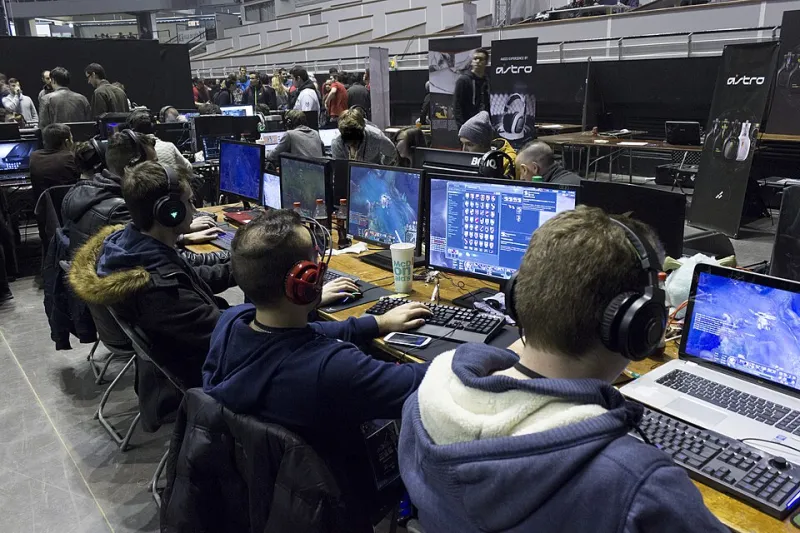
Photo: MAD Team (Shawn Yue), Public domain, via Wikimedia Commons
For most of esports' short but chaotic history, the formula seemed simple enough: find one game, go all in, dominate. Teams like Team Liquid built early reputations on StarCraft. FaZe Clan made its name in Call of Duty. The single-title identity was the brand, and the brand was everything.
But something has been quietly shifting over the past couple of years, and it's changing how serious money flows through competitive gaming. More and more professional organizations are intentionally spreading their competitive footprint across not two, not three, but six separate titles — building what insiders are calling a "portfolio approach" to esports franchising. And the orgs doing it aren't small operations experimenting on a shoestring. They're some of the most recognizable names in the space.
So what's driving this pivot, and does it actually work?
The Single-Game Risk Nobody Talks About Enough
Here's the uncomfortable truth about building an esports org around one game: you're essentially making a long-term bet on a product you don't own and can't control. Publishers can sunset competitive scenes overnight. Patch updates can tank a game's viewership. Riot, Valve, Blizzard — they've all made decisions that rattled franchise investments in ways team owners had zero say in.
"You wouldn't open a restaurant that only sells one item and assume the supply chain will never break," said one org operations director who asked not to be named while discussing internal strategy. "Diversification isn't just smart — it's survival."
The collapse of Overwatch League viewership and the turbulence around Halo esports in recent years serve as cautionary tales that even well-funded competitive ecosystems aren't immune to implosion. Organizations that had tied their entire identity — and payroll — to those ecosystems felt it hard.
Enter the six-game model.
Why Six? The Math Behind the Magic Number
There's a reason orgs seem to cluster around six titles rather than, say, four or ten. It comes down to operational bandwidth and brand coherence.
Fewer than five games and you still carry heavy exposure to any single title's volatility. More than seven or eight and you start running into real problems: diluted coaching staff, roster management headaches, and a brand that becomes difficult for fans to follow or sponsors to activate around.
Six hits a kind of sweet spot. It's enough spread to absorb a bad year in one or two titles without sinking the whole ship, while still being manageable enough for a mid-to-large org to staff properly. Analysts who track org financials note that six-title orgs tend to maintain more stable sponsorship revenue because they can offer partners activation across multiple audiences simultaneously — a Valorant audience skews differently than a Rocket League audience, and advertisers know it.
Team Liquid is probably the most cited example of this philosophy done right. Their competitive presence spans everything from League of Legends and CS2 to Dota 2, Valorant, and beyond. The result is a brand that feels omnipresent in competitive gaming without feeling unfocused.
Brand Building Across Multiple Fanbases
One of the less-discussed advantages of the six-game model is what it does for organic fan acquisition. Each title brings its own community, its own content ecosystem, and its own entry points for new fans.
A casual Fortnite viewer who stumbles onto an org's content might never have found them through their fighting game roster — and vice versa. By maintaining competitive presence across six titles, organizations are essentially running six parallel fan acquisition funnels at once.
Content creation benefits too. A six-game org gives its social and video teams endless material: crossover moments between rosters, behind-the-scenes content showing players from different games interacting, and the kind of "family" narrative that resonates with younger audiences who grew up watching NFL and NBA teams as cultural institutions.
"The orgs that figure out how to make their Valorant fans care about their fighting game players — that's where the real brand equity gets built," noted one esports analyst who consults with multiple organizations. "It's not about the games. It's about the team identity transcending any one title."
The Financial Reality: Costs Don't Scale Cleanly
It would be dishonest to frame this as a pure win. Running six competitive rosters is expensive, and the costs don't scale linearly — they compound. Each roster needs coaches, analysts, housing in some cases, travel budgets for LANs, and dedicated management. Salaries for tier-one talent across six titles can run into the millions annually before you've paid a single support staffer.
Smaller orgs attempting to copy the six-game playbook without the infrastructure to support it have stumbled badly. There's a meaningful difference between having a presence in six games and having a competitive presence in six games. Fielding rosters that embarrass the brand in half the titles they enter does more damage than simply not competing.
The organizations making this work tend to be strategic about which six games they choose. They're not randomly collecting titles — they're mapping out ecosystems with compatible audiences, overlapping sponsor appeal, and realistic paths to prize money or revenue sharing.
Is Six the New Standard?
Whether the six-game portfolio model becomes the dominant structure for mid-to-large esports organizations probably depends on how the next two or three years shake out economically. If more single-title competitive scenes continue to face volatility, the argument for diversification only gets stronger.
What's clear is that the era of betting everything on one game is quietly ending for serious organizations. The esports orgs that will matter five years from now are the ones building rosters like investment portfolios — spreading risk, chasing varied returns, and staying flexible enough to shift when the market moves.
Six games. Six chances to win. Six audiences to grow. It's a lot to manage, but for the organizations doing it right, it might be the most durable blueprint competitive gaming has ever seen.