The Grind Never Stops: Inside the Streaming Burnout Crisis Nobody Wants to Talk About

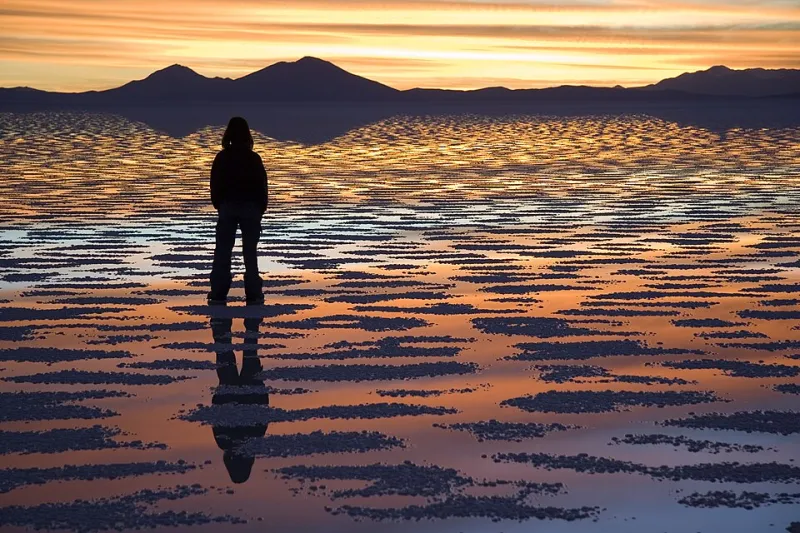
Photo: Dietmar Rabich, CC BY-SA 4.0, via Wikimedia Commons
Sometime around month five or six, something shifts. The stream that used to feel like the best part of the day starts feeling like a shift at work. The chat that once seemed electric starts blurring into background noise. And the algorithm — that invisible, ever-present force that rewards consistency and punishes absence — just keeps demanding more.
This is the part of streaming nobody puts in the highlight reel.
Burnout among content creators isn't a new conversation, but it's one the industry keeps having without actually solving anything. Creators go dark, post a vulnerable tweet or tearful YouTube video, take a few weeks off, and then come back because the financial and algorithmic pressure to return is overwhelming. The cycle repeats. The platforms collect their revenue share throughout.
The Six-Month Pressure Cooker
Here's a rhythm that a lot of mid-tier streamers describe when they talk about their schedules: spend the first month or two building momentum on a new game or trend, spend the next few months trying to hold that audience as interest fades, then scramble to identify the next wave before the numbers drop too far. Rinse and repeat, roughly every six months.
It sounds manageable on paper. In practice, it means never actually resting — just trading one sprint for another while telling yourself the next content cycle will be easier.
The problem is structural. Platforms like Twitch and YouTube are designed around recency and consistency. An algorithm that rewards daily uploads or regular live hours doesn't care that you haven't had a day off in three months. It doesn't care that your sleep schedule is wrecked, that you've stopped responding to texts from friends, or that you've started dreading something you used to love. It just rewards presence and penalizes absence.
For creators who depend on streaming as their primary income — and there are far more of those than the celebrity streamer narrative suggests — stepping back isn't a wellness choice. It's a financial risk.
"I Didn't Tell Anyone How Bad It Was"
Creators who've been through serious burnout describe a particular kind of isolation that makes the experience harder. Because the job is public-facing, because the brand is built on enthusiasm and engagement, admitting that you're struggling feels like a betrayal of the audience — or worse, a threat to the income stream.
One mid-size Twitch streamer who asked not to be named described hitting a wall during a particularly aggressive content push. "I was streaming six days a week, doing YouTube edits on my off day, and trying to stay active on TikTok and Twitter at the same time. My numbers were actually going up. From the outside it looked like everything was working. But I was completely falling apart."
She didn't tell her audience. She kept streaming. It took a minor health scare to force her to take two weeks off — and during those two weeks, she lost about 12 percent of her subscriber base. "That's what the break cost me. Which is insane to say out loud, but that's the math."
That math is what keeps so many creators on the treadmill long after they've stopped enjoying the run.
The Trend-Chasing Trap
Burnout gets worse when you layer trend-chasing on top of an already demanding schedule. Gaming content is particularly susceptible to this because the landscape shifts so fast. A game that dominates streaming one month can be completely irrelevant six months later, and creators who built their audience around that game suddenly have to pivot or watch their numbers bleed out.
The pressure to chase whatever's popping — whether that's a new battle royale, a viral indie title, or a reality TV crossover event — means creators are rarely playing games they actually love. They're playing games the algorithm loves, which is a very different thing.
Some creators have tried to resist this by niching down hard, becoming the go-to streamer for one specific game or genre regardless of what's trending. It can work, but it comes with its own risks: a game going offline, a community fracturing, or a developer making changes that tank viewer interest can wipe out years of audience-building overnight.
What "Sustainable" Actually Means in This Industry
The word "sustainable" gets thrown around a lot in creator spaces, usually by people selling courses on how to grow your channel. But genuinely sustainable streaming — content creation that doesn't eventually destroy the person doing it — looks pretty different from what most platforms incentivize.
It looks like fewer streams, not more. It looks like honest communication with audiences about capacity and limits. It looks like diversified income that doesn't collapse the moment you take a week off for your mental health. And it looks like platforms that actually build rest into their recommendation systems rather than treating inactivity as a signal of irrelevance.
A handful of creators have managed to build something that resembles this. Some of the most durable presences in gaming content — people who've been consistently making stuff for five, seven, ten years — tend to share a few traits: they've been explicit with their audiences about what they will and won't do, they've built income streams that aren't entirely dependent on live viewership, and they've made peace with the fact that their numbers won't always be going up.
That last part is harder than it sounds in an industry that treats growth as the only valid metric.
The Platform Problem
Ultimately, burnout in streaming isn't just a personal wellness issue — it's a platform design issue. Twitch, YouTube, and TikTok all profit from creator output. More content means more ad inventory, more data, more engagement. There's no financial incentive for these platforms to build systems that protect the people generating that value.
Some creators have started advocating for structural changes: algorithm transparency, viewership protections during announced breaks, better mental health resources built into creator dashboards. Whether any of that actually happens depends on whether enough high-profile creators make enough noise — and whether platforms feel enough competitive pressure to respond.
For now, the treadmill keeps moving. New streamers jump on every day, full of energy and ideas, unaware of what the pace will cost them six months in. Some of them will figure out how to make it work long-term. A lot of them will burn out quietly, post a goodbye video, and be replaced by someone else before the week is out.
That's not a feature of the streaming economy. It's a flaw. And until platforms treat it like one, nothing is going to change.