Marathon Mode: How Running Six Games Back-to-Back Became Speedrunning's Hottest New Format
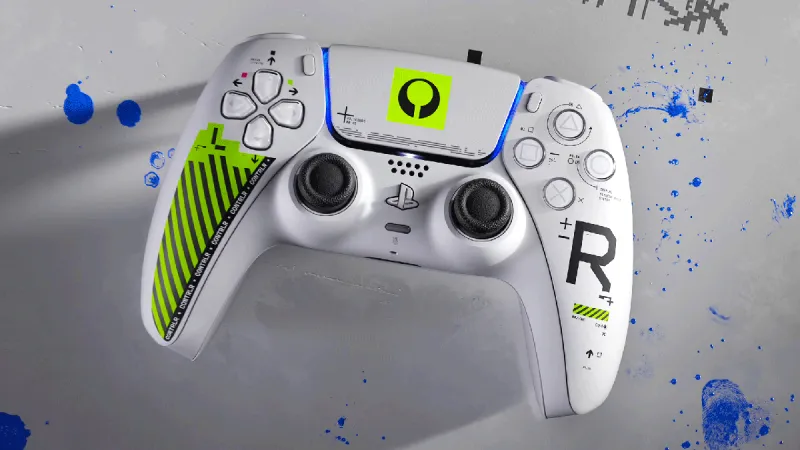
Photo: speedrunner gaming marathon multiple screens controller, via sm.ign.com
There's a moment — usually somewhere around hour four — when a speedrunner's hands start to tremble just a little. They've already blazed through two or three titles, the chat is going absolutely feral, and they still have half the lineup left. It's exhausting to watch. It's even more exhausting to do. And somehow, that's exactly the point.
The six-game gauntlet — a self-imposed challenge where a runner races through six different games consecutively in a single session — has quietly become one of the most-watched formats in speedrunning content. It's not sanctioned by any governing body. There's no official rulebook. And yet, streamers across Twitch and YouTube have independently landed on six as the magic number for this kind of marathon run. That's not a coincidence.
Why Six? The Number That Actually Makes Sense
Ask a speedrunner why they didn't do four games or eight, and you'll get a surprisingly thoughtful answer. Four feels light — more like a sampler platter than a meal. Eight starts to feel like punishment, both for the runner and the audience. Six sits in a specific sweet spot that's difficult to quantify but easy to feel.
From a pure content perspective, six games gives a stream natural act breaks. Each completed run is its own mini-climax — a moment of celebration, a reset, a breath. Viewers who tune in late can still catch two or three full runs. Viewers who've been there from the start get to experience a complete arc. It's structured chaos, and structure is what keeps people from clicking away.
There's also a psychological dimension to the number itself. Six represents a genuine test of endurance without crossing into the territory where a run starts to feel like a cry for help. Streamers who've experimented with longer formats often report that viewer engagement starts to crater after the sixth game anyway — like the audience collectively hits a wall alongside the runner.
The Anatomy of a Gauntlet Stream
The best gauntlet runs aren't random grab-bags of whatever's installed on a runner's PC. There's usually a deliberate logic to the lineup — sometimes a theme (all Nintendo 64 platformers, all FromSouls games), sometimes a difficulty curve, sometimes a personal narrative arc that the streamer has seeded over previous broadcasts.
Take the format that's become popular among mid-tier Twitch streamers in the US over the past couple of years: open with a comfort pick — something the runner knows cold, where they can warm up and let the chat settle in. Follow it with two moderately challenging titles that generate organic hype. Drop the hardest run right in the middle, where energy is still high and viewers are most engaged. Close with something crowd-pleasing that lets everyone go out on a high note.
It sounds almost cinematic when you lay it out like that. Because it kind of is.
The Streamers Who Turned the Gauntlet Into a Brand
A handful of content creators have done more than just run the format — they've made it their signature. These are streamers whose audiences specifically show up for gauntlet days the way sports fans show up for playoff games.
What separates the gauntlet specialists from everyone else isn't just skill, though that matters. It's the ability to perform under compounding pressure. By game five, a runner is dealing with physical fatigue, the weight of an audience that's been watching for hours, and the mental load of switching contexts between completely different games. The streamers who thrive in that environment tend to be unusually good at emotional regulation — they can eat a terrible run on game four without letting it poison their energy for game five.
Viewers pick up on that resilience. It's genuinely compelling to watch someone absorb a catastrophic mistake, recalibrate, and come out the other side. That's not just entertainment — it's kind of aspirational.
What Keeps Viewers Watching for Six Hours?
Here's the honest answer: most viewers don't watch all six hours. But the gauntlet format is specifically engineered to make it easy to drop in, get invested, and stay longer than you planned.
The community aspect is a huge driver. Gauntlet streams tend to attract tight-knit chat communities that develop their own running jokes, rituals, and emotional investment in the run. There's a shared experience being built in real time — people are rooting for something together. When a runner finally nails a tricky segment after three failed attempts, the chat exploding with celebration is genuinely infectious even to someone who wandered in five minutes ago.
Clip culture also plays a role. Six games means six opportunities for a highlight-reel moment — a jaw-dropping trick, a hilarious failure, a world-record pace that gets the streamer audibly losing their mind. Those clips circulate on Twitter and Reddit, pulling new viewers into the next gauntlet stream. The format is almost self-marketing.
The Community Infrastructure Behind the Format
What's fascinating about the rise of the six-game gauntlet is how organic it's been. There was no platform initiative, no viral trend piece that kicked it off. It emerged from speedrunning communities on Discord and Reddit, spread through word of mouth, and got refined through trial and error by hundreds of streamers working independently.
That grassroots origin is part of what makes it feel authentic in a streaming landscape that can sometimes feel aggressively manufactured. The gauntlet is hard. It's messy. Runners fail. Timers run long. Technical difficulties happen. None of that gets edited out, because it's live, and somehow that rawness is exactly what makes it appointment viewing.
If you haven't caught a gauntlet stream yet, find a runner whose game selection overlaps with your interests and block out an evening. Don't be surprised if you're still watching when the sixth game loads up.