The 616 Signal: Why West Michigan Keeps Sending Streamers to the Big Leagues
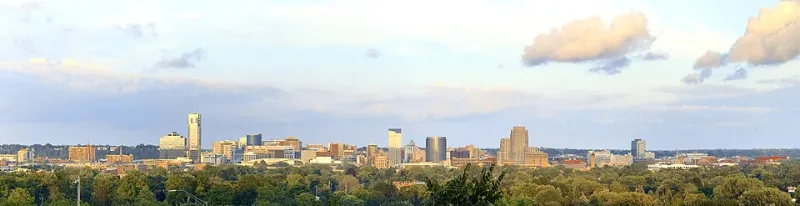
Photo: WMrapids, CC0, via Wikimedia Commons
Ask someone to picture a gaming hub and you will usually get the same postcard: a Los Angeles studio, a Texas server farm, a neon-lit arena in Las Vegas. The 616 area code does not fit that postcard. It covers Grand Rapids and a wide slice of West Michigan, from Holland and Grand Haven to Muskegon and the smaller towns in between. And yet, quietly, the region has become a useful feeder system for streamers, esports players, and the kind of low-cost online infrastructure that keeps a broadcast running when the camera is on.
SixOnePlay has written before about the hidden geography of games. The 616 story is a good reminder that geography still matters, even when the work happens on a screen.
A Region That Ships Quietly
West Michigan is not a place that brags about its place in gaming. There is no giant convention floor downtown shouting about content creation. The scene shows up in smaller ways: a college esports room, a local LAN that sells out a church gym, a streamer who logs on after a shift at a manufacturer or a hospital. The area code is a handy label for all of it, even if the actual footprint stretches across several counties and a lot of corn between them.
That low-key setup has an advantage. When your local scene is not built around celebrity, people learn the craft first. They learn how to talk to a camera with three viewers. They learn how to fix an audio issue without a producer. They learn that a stream is a job with unglamorous parts, which is exactly what separates a hobby from a habit that can pay rent.
The Cost Math Behind the Camera
Streaming is cheaper than it looks, until it is not. A decent PC, a microphone, a capture card, and a stable upload connection can get someone started. The expensive part is everything around it: rent, storage, bandwidth, and the time to figure out whether the audience is actually there.
West Michigan has a cost-of-living advantage that is easy to overlook. A creator in Grand Rapids can afford a spare room for a studio in a way that a creator in Brooklyn or San Francisco cannot. The broader Midwest also has the boring plumbing that online work needs. Secondary markets have fiber, industrial power, and data centers within a day's drive of Chicago and Detroit. The 616 is not a server capital, but it sits close enough to that infrastructure that small operations can rent what they need without renting a Los Angeles address.
That matters for more than streamers. Local esports orgs, tournament organizers, and small production crews can run events without flying in half their gear. They can build a reliable setup, test it on a Tuesday night, and fix it before the weekend. The region's advantage is not glamour. It is the ability to fail cheaply and iterate.
Work Ethic on Camera
There is a stereotype about the Midwest that gets repeated in every profile: friendly, unpretentious, allergic to self-promotion. Like most stereotypes, it is half true and half convenient. What actually translates on camera is not a regional accent or a love of casseroles. It is a matter-of-fact approach to work.
Streamers from the 616 tend to explain things plainly. They do not treat every match as a life-changing event. They are comfortable with dead air, comfortable saying they messed up, comfortable logging off when the stream is done. That sounds small. On a platform where every creator is told to be louder, faster, and more extreme, plain can be a relief.
It also plays well with the way modern streaming is consumed. Viewers drop in for a few minutes, not a full broadcast. They want someone who can catch them up without a grand entrance. The 616 signal, if there is one, is a signal of competence without theater. That is a useful brand in a crowded market.
The Pipeline Problem Nobody Names
The quiet rise of West Michigan gaming is not a fairy tale. The region still loses talent. The best players and streamers eventually move toward bigger sponsorship markets, better tournament access, and more networking. A local scene can train people and then watch them leave. That is a pipeline, but it is not always a retention strategy.
The fix is not to build a fake Hollywood in Grand Rapids. It is to build more middle layers: paid local tournament staff, small sponsorship deals, affordable studio space, and college programs that treat esports as more than a club. Those layers keep people in the ecosystem longer, even if they eventually move on. A healthy scene is not one that keeps everyone. It is one that keeps the door open.
What the 616 Signal Means for 2026
The 616 area code will probably never be the first name in gaming. It does not need to be. What it represents is more useful: a region where streaming can be a craft, not a lottery ticket. Where infrastructure is close enough, rent is low enough, and the local culture is unimpressed enough to keep people honest.
For SixOnePlay, that is the interesting part. The next big streamer might not come from a coastal content house. They might come from a spare bedroom in Kentwood, a converted garage in Holland, or a small apartment near a Grand Rapids bus line. The area code is not destiny. But it is a signal worth watching.