The Digital Convenience Store: Why Generic Entertainment Hubs Refuse to Die
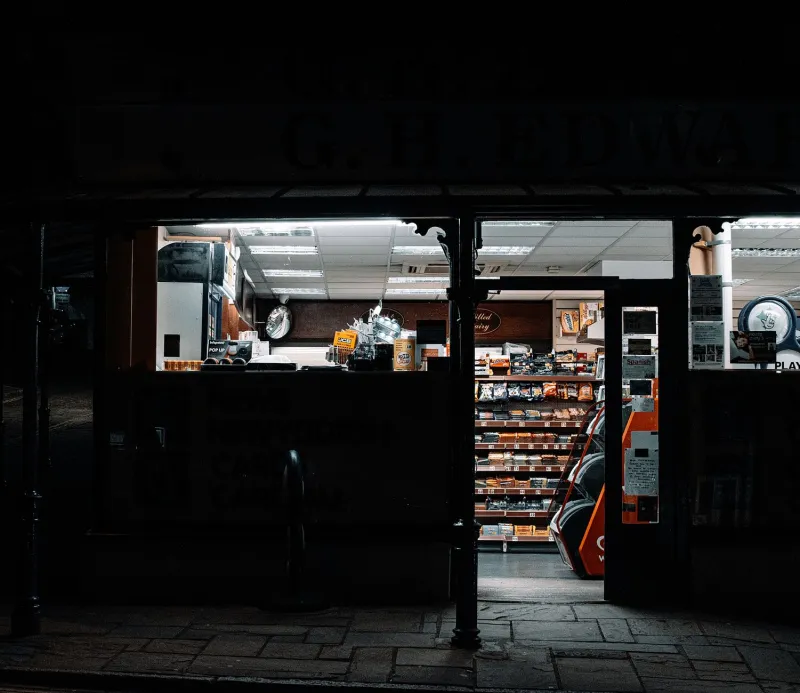
There's a particular kind of website that the tech press loves to declare dead: the generic entertainment portal. No single obsession. No hyper-targeted audience persona. Just a URL, a handful of categories, and a little bit of everything behind the door. Think of it as the digital convenience store — the place that sells lottery tickets, energy drinks, a phone charger you desperately need, and somehow stays in business doing all three.
In an era where every platform is supposed to have a laser focus, these sites shouldn't exist. And yet they do. They keep humming along, quietly collecting the traffic that falls through the cracks of a hyper-specialized internet.
The Niche Internet Had One Job, and It Went Too Far
The last fifteen years of the web have been a story of narrowing. YouTube channels about one game. Subreddits about one mechanic in one game. Streaming categories so granular you can find a broadcast dedicated to a single speedrun category of a 2007 game. Personalization was supposed to be a gift — the internet learning exactly what you like and serving nothing else.
But something got lost along the way. When everything is tailored, nothing is serendipitous. You stop stumbling onto things. The algorithm shows you the sixth variation of the content you already consumed this morning, and the genuine surprise of discovery — the thing that made the early web feel like an adventure — quietly evaporates.
That's the gap the generic portal fills. Not with better recommendations, but with worse ones. With randomness. With doors you didn't know were there.
Typing a URL Is a Small Act of Rebellion
Here's a stat that surprises younger readers: plenty of Americans still type web addresses directly into the browser bar. Not because they're luddites — because it's faster, it's habit, and it feels like ownership. Typing a memorable URL is the difference between driving to your neighborhood store and asking a concierge to fetch things you might like.
A short, punchy domain does something a search result never can: it becomes a place. A destination you can hand to a friend verbally without spelling out a seventeen-word Reddit thread title. There's a reason radio hosts and podcasters still say "visit us at" — a good domain is a handshake, not a query.
And when a visitor lands on a multi-purpose hub, they're not greeted by a filter bubble. They're greeted by options. Gaming over here, streaming over there, something they've never heard of around the corner. It's browsing in the old sense of the word — the kind you did at a mall, not the kind an algorithm performs on your behalf.
What a Catch-All Site Actually Offers That Niche Platforms Can't
The convenience store analogy holds up better than you'd think. Nobody goes to a bodega for a curated artisanal experience. They go because it's close, it's easy, and it probably has what you need even when you're not sure what you need.
Generic entertainment hubs compete on the same three fronts:
- Low commitment. No account required to poke around. No algorithm deciding your worthiness. You show up, you look around, you leave or you stay.
- Cross-pollination. A gaming story sits next to a streaming trend piece, and suddenly you're reading about something outside your lane. Niche platforms structurally can't do this — their whole business is keeping you in your lane.
- Zero pretension. There's no community gatekeeping, no lore to learn before you're allowed to have an opinion. You're a guest, not a member.
That last one matters more than it sounds. A lot of internet fatigue right now isn't about content — it's about the social overhead of content. Every niche platform comes with norms, in-jokes, and a hierarchy of who's been there longest. A portal just hands you the articles and gets out of the way.
The Case for a Messier Web
Here's the uncomfortable thought experiment: imagine an internet where every single site has a clearly defined focus, a documented target audience, and a conversion funnel. Efficient? Sure. But also sterile. The web's weird middle — the sites that are a little bit of everything, the domains that don't fit neatly into a pitch deck — is where a surprising amount of American internet culture actually lives.
Strip those out and you're left with a network of walled gardens connected by search engines. Every journey starts at Google and ends at a platform. The open web, the part you can wander through without an account or an algorithm's permission, thins out a little more.
Sites like this one — a name, a door, and a mixed bag of stuff behind it — are a small act of resistance against that. Not a heroic one. More like the corner store that stays open late because somebody's got to.
The Front Porch Isn't Going Anywhere
Will generic portals ever out-trend the giants? No, and they don't need to. The convenience store never beat the supermarket on selection either. It won on proximity, ease, and the simple pleasure of walking in without a plan.
As long as there are people who'd rather type an address than ask an algorithm, and readers who want to bump into something they weren't looking for, the multi-door entertainment hub has a reason to exist. The internet got bigger by getting more specific. It stays interesting thanks to the places that refused to pick just one thing.