Clip or Get Clipped: How the Algorithm Killed the Art of the Long Stream
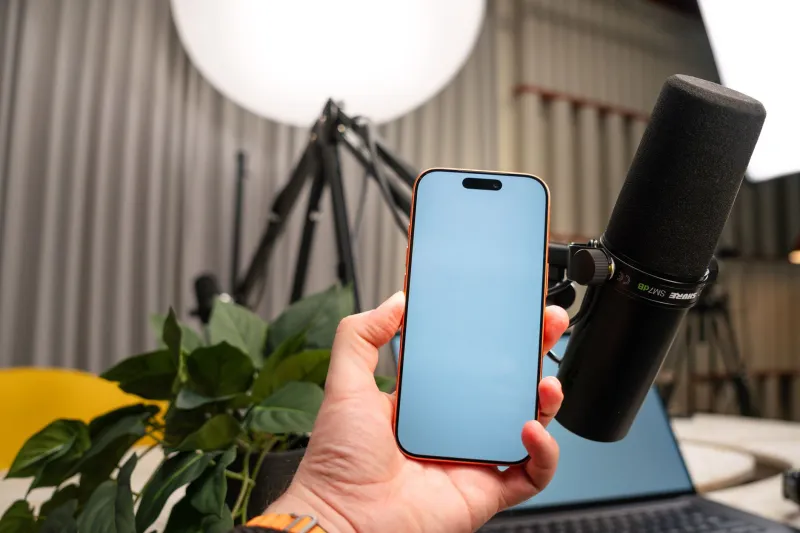
There was a time when logging onto Twitch at 2 a.m. and watching some random dude grind through a JRPG for four hours felt like a legitimate form of entertainment. No hype, no production value, just vibes and a chat box doing its thing. That era isn't completely dead — but it's on life support, and the algorithm is holding the plug.
The streaming landscape in 2024 operates on a different currency than it did five years ago. That currency is the clip. The moment. The six-second reaction, the insane one-tap, the accidental fall that sends chat into a frenzy. Platforms don't reward patience anymore. They reward intensity — and they reward it fast.
The Numbers Don't Lie (Even When You Wish They Would)
Here's the uncomfortable math that every full-time streamer eventually learns: a well-timed clip posted to TikTok or YouTube Shorts can generate more impressions in 48 hours than a six-hour VOD will accumulate in six months. That's not speculation — creators who track their analytics will tell you this themselves, often with a mix of resignation and dark humor.
Platforms have built recommendation engines that prioritize engagement velocity. In plain English: content that gets people reacting quickly, sharing immediately, and clicking through to more content wins. A slow-burn stream where a player methodically works through a dungeon doesn't generate that kind of signal. A rage quit followed by an accidental win? That thing's going to spread like wildfire.
The result is a feedback loop that's hard to escape. Creators see what performs. They start engineering content around what performs. Audiences get conditioned to expect performance. And suddenly, the organic, unscripted quality that made streaming feel different from traditional TV starts to erode.
Manufacturing the Moment
Ask any mid-tier streamer trying to grow their channel and they'll tell you the same thing: you're not just playing games anymore, you're producing content. There's a difference, and it matters.
Playing a game means you're invested in the experience — the story, the mechanics, the challenge. Producing content means you're constantly running a parallel process in your head, asking yourself whether what's happening right now is clip-worthy. Did that reaction land? Was that play clean enough to post? Should I replay that section so the camera angle catches my face better?
That mental split is exhausting, and it fundamentally changes what ends up on screen. The authenticity that built streamers like Pokimane, Shroud, or the early days of xQc wasn't manufactured — it came from people genuinely reacting to games in real time. When you're chasing clips, you're not reacting to the game. You're performing a reaction for an audience you're imagining will find it later on a completely different platform.
Some creators are honest about this. Others aren't. But the shift is visible if you've been watching long enough.
The Economics Behind the Explosion
It's worth understanding why platforms have built themselves this way, because it didn't happen by accident.
Short-form content is cheaper to consume, easier to algorithmically categorize, and more likely to pull in users who weren't already subscribed or following. For a platform trying to grow its user base, a viral six-minute compilation is a better acquisition tool than a six-hour stream. New users don't have the patience or the context to jump into a long VOD. But a wild clip? That needs no backstory.
Advertisers also play a role. Brands want impressions, and impressions are easier to guarantee on content that's actively being pushed by a recommendation engine. A sponsored segment buried in hour four of a stream reaches a fraction of the audience that a sponsored short-form post does. The money follows the eyeballs, and the eyeballs are chasing clips.
This isn't unique to gaming, by the way. The same dynamics reshaped music (hello, TikTok-optimized song intros), news, and sports coverage. Gaming and streaming just happen to be particularly vulnerable because the content is so long by default.
What Actually Gets Lost
Here's the part that's worth sitting with: some of the best streaming moments in history were not clip-worthy. They were slow. They were weird. They were two people talking about nothing for twenty minutes while waiting for a queue to pop.
The parasocial relationships that built streaming culture — the ones that turned viewers into loyal communities — weren't built on highlight reels. They were built on hours of shared time. On inside jokes that developed over weeks. On watching someone genuinely struggle with a boss fight for ninety minutes and finally beat it. That kind of content doesn't clip well. It doesn't go viral. But it creates the kind of audience attachment that no short-form platform has ever been able to replicate.
When creators optimize entirely for clips, they're essentially trading long-term community depth for short-term reach. It might look like growth on paper. The follower counts go up. The view numbers look impressive. But the actual engaged core — the people who show up every stream, who subscribe, who care — that group can quietly shrink even as surface metrics improve.
Is There a Way Back?
Some creators are actively pushing back against the clip economy. The "slow streaming" movement — if you can call it that — has a small but vocal contingent of streamers who deliberately avoid editing their VODs, refuse to post highlights, and just let the stream be what it is. The audiences are smaller, but the engagement is reportedly more intense.
Others are trying to have it both ways: running long streams for their core community while maintaining a separate short-form presence for discovery. It's more work, but it's a more honest version of the current reality.
The algorithm isn't going anywhere. Neither is the pressure to manufacture moments. But the streamers who figure out how to stay genuine inside that pressure — who can create something clip-worthy without losing the thread of what made them worth watching in the first place — those are the ones who tend to last.
Everyone else is just grinding for a highlight reel that the internet will forget by Thursday.
At SixOnePlay, we cover the stuff that actually shapes how gaming and streaming work — not just the games themselves, but the systems around them. If this hit different, share it. Or clip it. We get the irony.