Three Digits and a Grudge: How Area Codes Became Gaming's Loudest Status Symbol
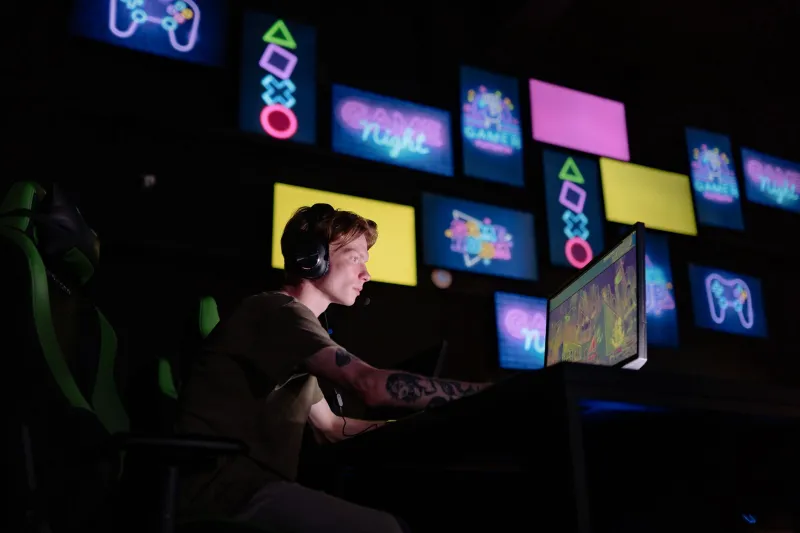
Photo: close-up numeric gamertag on gaming monitor with area code 616, via img.freepik.com
You can learn a lot about a player from four numbers. 616. 313. 212. 305. Not their kill-death ratio. Not their rank. The tag.
Numeric gamertags used to be an accident—a fallback when the name you wanted was taken. Now they are a signal. In a gaming culture that has spent two decades chasing cleaner profiles, verified identities, and brand-friendly handles, a number-only username feels almost stubborn. It says: I was here before the internet got a dress code.
The Original Flex Was Being Unfindable
On early console networks, numbers were filler. You wanted 'DarkWolf' and got 'DarkWolf8472' because someone beat you to it. Somewhere along the way, the filler became the flex. A clean numeric tag—no letters, no underscores, no extra noise—is the gaming equivalent of a vanity plate. It suggests you got there early, or you cared enough to hunt one down, or you simply refuse to explain yourself.
Scarcity does the rest. There are only so many three- and four-digit combinations, and every platform has its own rules about recycling old handles. That makes numeric tags feel like digital real estate. People trade them, hoard them, and get weirdly emotional about them. The appeal is not investment. It is identity.
A Zip Code With a Controller
Area codes are one of America's strangest shared languages. 313 is Detroit. 616 is Grand Rapids and a chunk of West Michigan. 212 is Manhattan. 305 is Miami. You do not have to explain them to anyone from around there. The number does the talking.
That is why numeric gamertags hit so hard in US gaming. They let players plant a flag without handing over a full address. A tag like '616' is not a GPS pin. It is a wink. It says 'I am from around here' to the people who know, and 'mind your business' to everyone else. In a hobby full of strangers, that is a useful little border.
Why Numbers Age Better Than Words
Words expire. Meme names get stale. The 'xX' and '420' and 'sniper' formulas have been recycled so many times they feel like hand-me-downs. Numbers do not try too hard. They are abstract, a little cold, and weirdly timeless. A numeric tag can survive a rebrand, a game migration, a platform switch. It does not need a backstory, but it can carry one.
That durability is the same reason numeric domains still work. SixOnePlay's own address, 6163633.com, looks like a gamertag that got a website. It is not trying to be clever. It is a string of digits that you either remember or you do not. There is something honest about that. A generic entertainment hub with a numeric name is basically saying: we are not here to sell you a personality. We are here to be a place.
The Marketplace Got Weird
Rare numeric tags get traded in Discord servers, forum threads, and group chats with the energy of a sneaker drop. Some sellers want cash. Some want trades. Some just want to feel like they own a piece of internet history. Platforms keep changing the rules, and impersonation is always a risk, but the market keeps humming.
The weird part is how small the actual market is compared to the cultural weight. Most players will never buy a tag. They just like seeing one in the wild. A clean '212' in a lobby is a tiny celebrity sighting. A '305' in chat is a nod. The numbers do not need to be valuable to matter. They need to be recognizable.
The Quiet Rebellion
The real-name internet has made us all a little tired. Profiles are linked to faces, employers, and old posts. Usernames are expected to be searchable, brand-safe, and explainable. Numeric tags push back against that without making a speech. They are not anonymous in a creepy way. They are just private in a way that used to be normal.
In 2026, that privacy feels almost luxurious. A numeric tag says: you can know where I am from, but not who I am. You can share a lobby with me, but you cannot look me up. That is a small thing, and it is also the whole thing.
The Hometown Signal
On a stream, a numeric tag in chat is a handshake. '616 in the house' lands differently than 'hey.' It is a local signal in a global room. For streamers from smaller cities, that matters. It turns a random viewer into a neighbor. It turns a handle into a hometown.
SixOnePlay's numeric address fits that mood. It is not a word that explains itself. It is a number that invites you to figure it out. Games, streams, and everything in between—sure, but also just a place to be from. In a gaming culture obsessed with standing out, a few digits might be the loudest thing you can wear.